- Shoestring Soul Searching
- Posts
- Shoestring Soul Searching #11: Anthology Episode
Shoestring Soul Searching #11: Anthology Episode
We interrupt your regularly scheduled programming

Bryan Lee
December 04, 2025

If you watched The Simpsons back in the day, you might be familiar with the concept of an anthology episode. It’s where they tell three short stories instead of one long one. The most famous are the Halloween Treehouse of Horror episodes, but my favorite is Simpsons Tall Tales from season 12. The stories are unrelated to each other as well as to the main canon, giving the writers freedom to be experimental. It’s a way to use unusual ideas that didn’t quite fit into any previous episode.
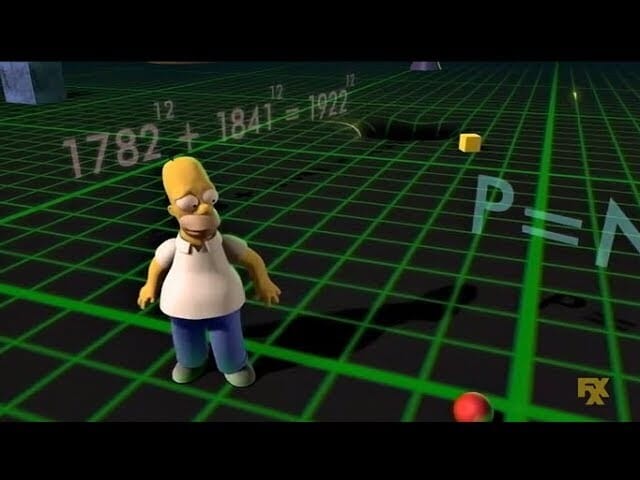
An unusual idea
(“Treehouse of Horror VI”)
Why not try this myself? Over the last ten newsletters, I’ve written many things that didn’t make the final cut because they were off-topic, didn’t fit, or any number of reasons. So today I present you with an anthology special: three short vignettes from the chaotic, contentious, and chronically underfunded museum in my brain housing my observations from this year. Let’s begin…
First Stop: The Archaeology Wing
If you had told me a year ago I’d be fascinated with archaeology, I would have laughed at you. I’ve always been bored to tears by the Old Dusty Stuff section of any museum. A rock? Great. A different shaped rock? Super. A misshapen pottery jar? I’ve seen better ones at Ikea.
But recently I’ve become an enthusiastic convert. Maybe it was finally getting around to reading Guns, Germs, and Steel. Maybe it was being in Mongolia, where if you drive out into the empty steppe, walk a hundred paces from your car, and throw your phone in the bushes, it’s not that hard to imagine the state of humanity 30,000 years ago.

Something like this, I imagine
Pretend you’re a hunter-gatherer back then. What’s in your hands? Nothing. What’s around you? Grass and rocks stretching on forever. One night the tribe soothsayer, blessed with visions of the future, sees something new: someday man will step on that pale disc in the dark sky. Not only that, man will trap sound itself so voices can be heard anytime. Everyone ponders these words for a minute, then agrees to kill the soothsayer for such insane nonsense.
My point is, from our starting point our path to modernity seems downright impossible. Of course, our ancestors didn’t plan any of this. They just wanted to be less cold and less hungry and looked for any little way to make things better. Archaeology is the story of those little improvements.
Take the crappy-looking pottery from before. Before pottery, we had no vessels to hold food and water over fire. Cooking was impossible outside of roasting meat. Most vegetables were inedible without a proper preparation method. We routinely abandoned old people whose teeth deteriorated since there wasn’t enough soft food. Babies had to be breastfed for way longer. All of this changed with one humble, misshapen pottery jar.

Thanks ugly jar! Now we don’t have to leave Grandma on a mountain.
Second Stop: The Earth Science Wing
How much nature have I seen this year? I went to ice canyons, bamboo forests, and the big honking sea. I met skittish ibexes, double-humped camels, and flying beetles of every color. I saw the tallest and plumpest trees you can imagine. I plucked tea leaves and stevia right out of a field in Vietnam to make my morning brew.
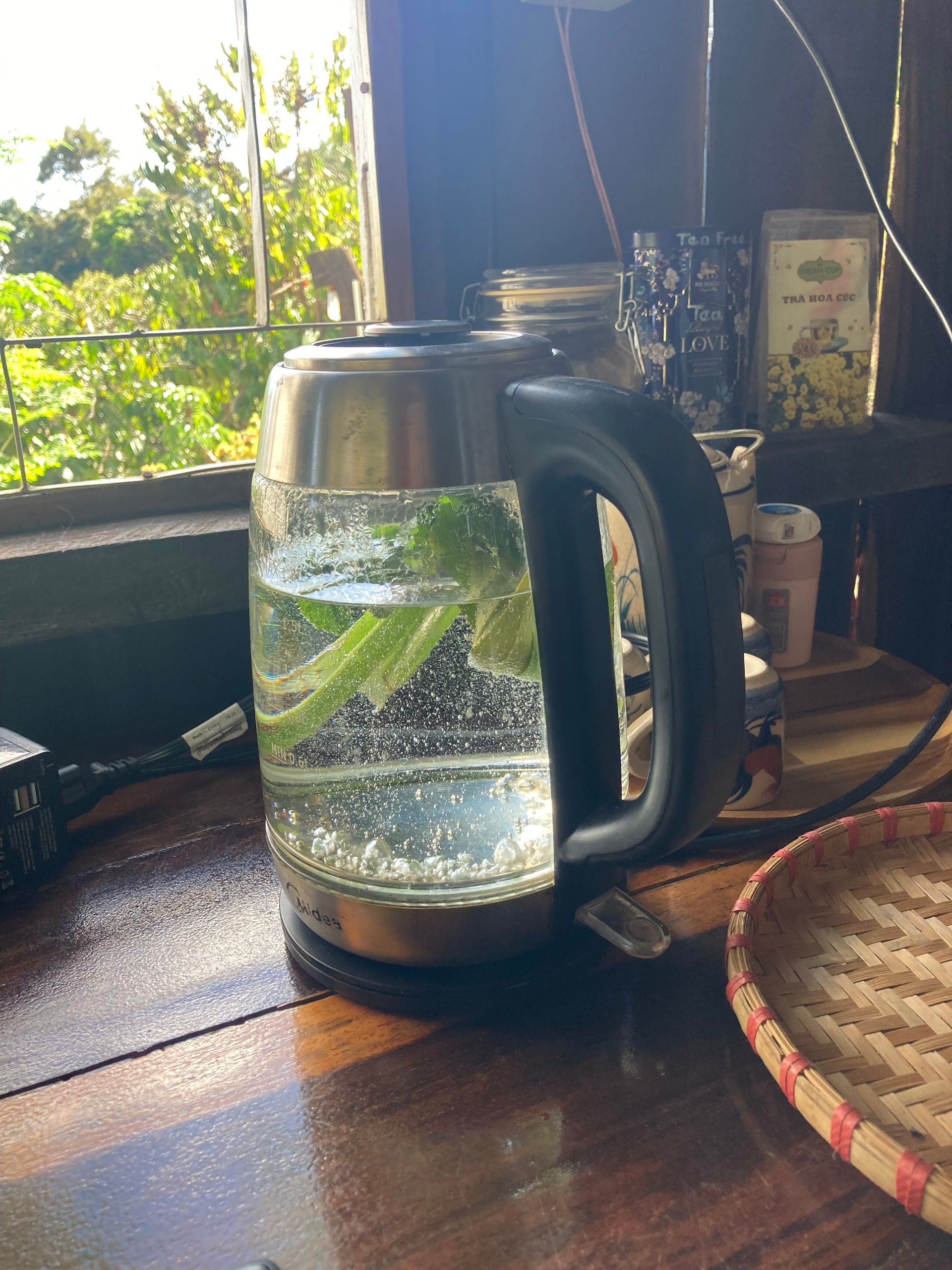
Brewing that tea illustrates a larger truth: all that nature has economic value. Your high-tech devices are just different rocks arranged together. Your AI queries are processed through data centers powered by gas or coal or rivers. Any good idea you’ve ever had is a brain signal fueled by calories. Until we mine space rocks, there’s a 1-to-1 relationship between Earth’s resources and the economy of fulfilling our needs and wants.
Just one dilemma: we have limited resources, but limitless wants. We always want more or better. We’re not about to run out of anything, but we risk straining systems to the point of malfunction. When food production releases enough CO2 and methane to disrupt weather patterns and damage food production, that’s a malfunction. Like filling a bucket of water with a hole at the bottom.
Growth has made our lives immeasurably better. But are we fully accounting for the costs of that growth? Can we even change anything when we’ve built a treadmill economy that needs to grow just to stay in place? And what happens when we hit those system constraints on our finite planet?
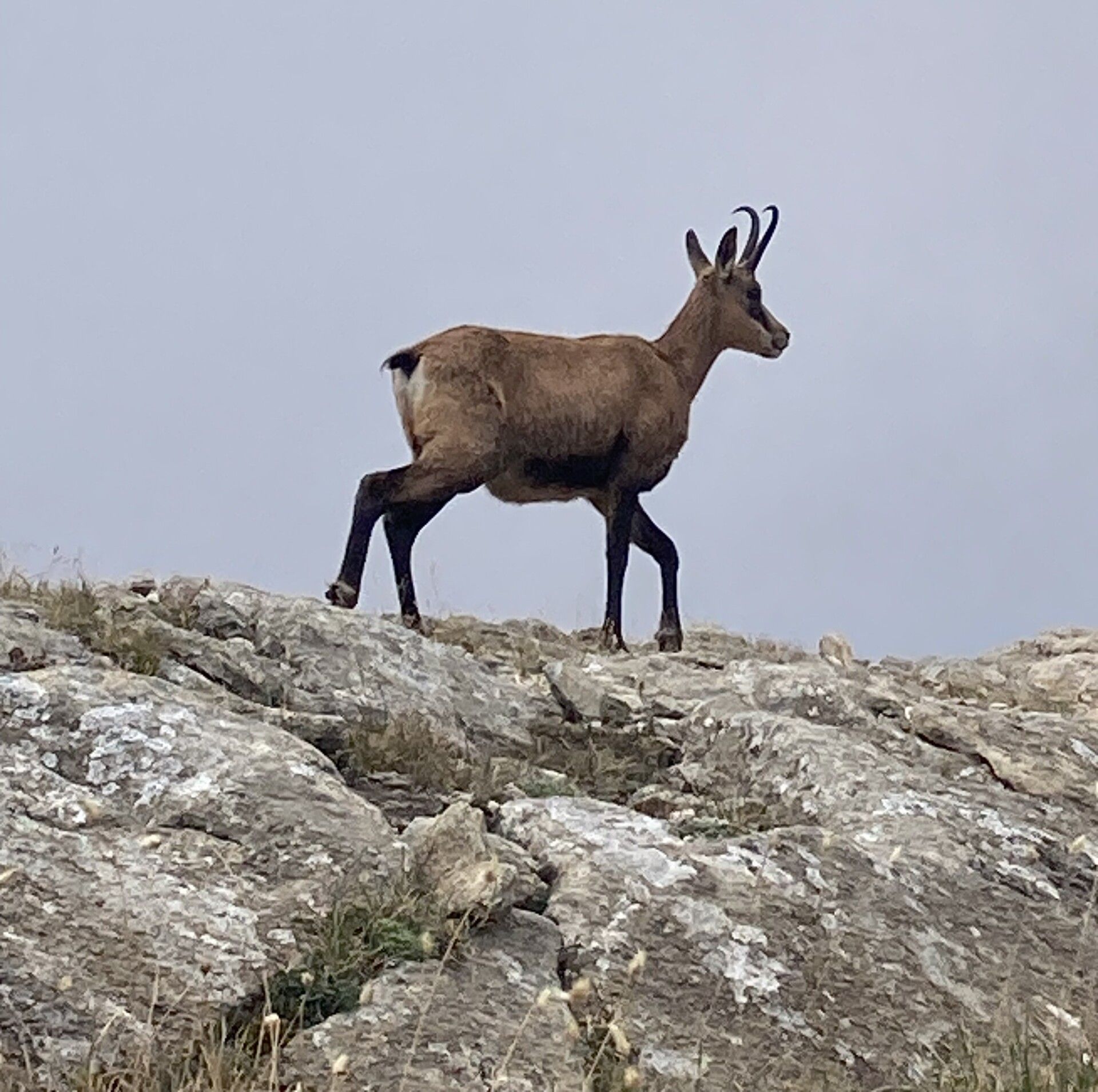
Ah, to be born a mountain ibex and munch on grass blissfully unconcerned with any of this. But you and I are humans who like Netflix on a plane and bananas in winter so I guess we have to figure something out.
Final Stop: The Classical Art Wing
Have you heard of memento mori? It’s a medieval artistic motif reminding you “one day you too will die” - skulls, hourglasses, wilting flowers. Rather than depress, it affirms life. After all, nothing has changed about whether you’ll die. What changes is your awareness of it and how that shapes your choices in a limited lifetime.
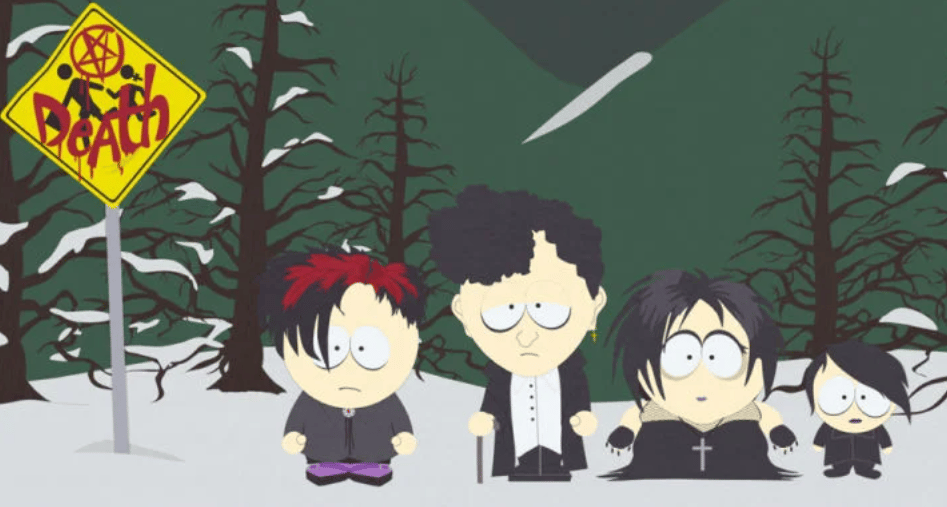
Maybe the goth kids in school were onto something
There are modern versions. I once attended a death cafe at the New York Public Library where strangers sat around and discussed mortality. It wasn’t a therapy session, but more like a book club for a book no one had read but everyone had heard about. Did it change my life? Not really. But it was an honest conversation without pretensions. There can’t be pretensions talking about the most vulnerable and intimate of human experiences.
The most distinctive approach to death comes from Mexico. Yes, we’ve all seen Coco and know about Day of the Dead. But there’s also a tradition of writing epitaphs for living people, imagining the cemetery of the future where all of us are dead. What would yours say? Friends roast each other for being loud, singing badly, or taking too many selfies. Death appears as la flaca, the skinny woman, and joins the antics. She shows up at bars, gets drunk, and often forgets who she even came for. It’s a worldview where life and death, tragedy and comedy, exist in one messy space. We engage with death, laugh at it, and learn from it instead of pretending it’s not there.
Bonus: The Gift Shop
I liked the concept of memento mori so much I recently sent this design to a print shop. Imagine seeing this mixed in with the business cards…

The minimum order was fifty so now I’m sitting on a whole case. Cross paths with me someday on this wide Earth and I’ll give you your very own!
Thanks for visiting the museum. Leave a Yelp review on the way out,
Bryan